For homes and renters
We find pool and spa leaks for homeowners and tenants. We test the shell, fittings, and underground lines, then explain the repair in plain terms.
- Pool losing water daily
- Pump losing prime
- Wet spot near the pad
Pool Leak Detection in bradenton means finding exactly where your pool is losing water, then fixing it before the deck, pump, or shell takes damage. We handle pools, spas, and the plumbing that feeds them. If you are topping off the pool every few days, we can pressure-test the lines, scan the shell, and give you a straight answer the same visit.
 Pressure-test linesScan the shellMark the leak
Every diagnostic visit includes a full inspection, pressure testing, and a written summary with photos. The repair itself is quoted separately once we know what we are dealing with, so you only pay for the work you approve.
We check the shell, waterline tile, skimmer, light niche, return fittings, and equipment pad. Dye testing at each fitting shows us where water is moving. This takes 30 to 45 minutes and covers everything above ground.
We plug and pressurize each suction and return line with a pressure testing kit. A drop in pressure tells us which line is leaking. We test every line, not just the obvious one, so we do not miss a second leak.
Once we know which line is leaking, we use acoustic leak detection equipment and a thermal imaging camera to pinpoint the break. We mark the spot on the deck so you can see exactly where the problem is before we open anything.
You get a summary of what we found, where it is, and what it will take to fix it. We include photos of the readings and the marked location. This is your record for insurance or HOA if you need it.
We give you a firm quote for the repair and explain any alternatives. If the line needs replacing, we explain why and what it costs. You choose.
After we fix the leak, we retest the line and refill the pool to confirm the loss has stopped. We do not leave until the numbers are stable. You get a final confirmation that the repair worked.
The approach is the same for a home and a business. What changes is the access, the schedule and who needs the paperwork.
We find pool and spa leaks for homeowners and tenants. We test the shell, fittings, and underground lines, then explain the repair in plain terms.
We handle commercial pools, spas, and HOA properties. We document every reading and schedule repairs around your operating hours.
A plain-language look at what Pool Leak Detection involves and when it is needed.
See how it worksPool Leak Detection in bradenton is the process of finding where a swimming pool, spa, or its plumbing is losing water, then confirming the leak with pressure and dye testing before any repair starts. We use acoustic listening gear, a thermal imaging camera, and a pressure testing kit to separate a shell leak from a plumbing leak. That matters because a crack in the plaster and a failed return line are two different repairs, and guessing wrong wastes your money.
Bradenton pools run hard almost year-round, and our sandy soil plus heavy summer rain shifts the ground under decks and equipment pads. We see pinhole leaks in copper pipe, failed O-ring seals at the pump, and underground plumbing leaks that show up as a wet spot near the pad. If you have been searching for pool leak detection near me Bradenton, we cover Downtown Bradenton, Riverwalk, and the surrounding ZIP codes 34205, 34208, and 34209.
Finding the leak is the hard part. The repair is usually straightforward once we know where it is.
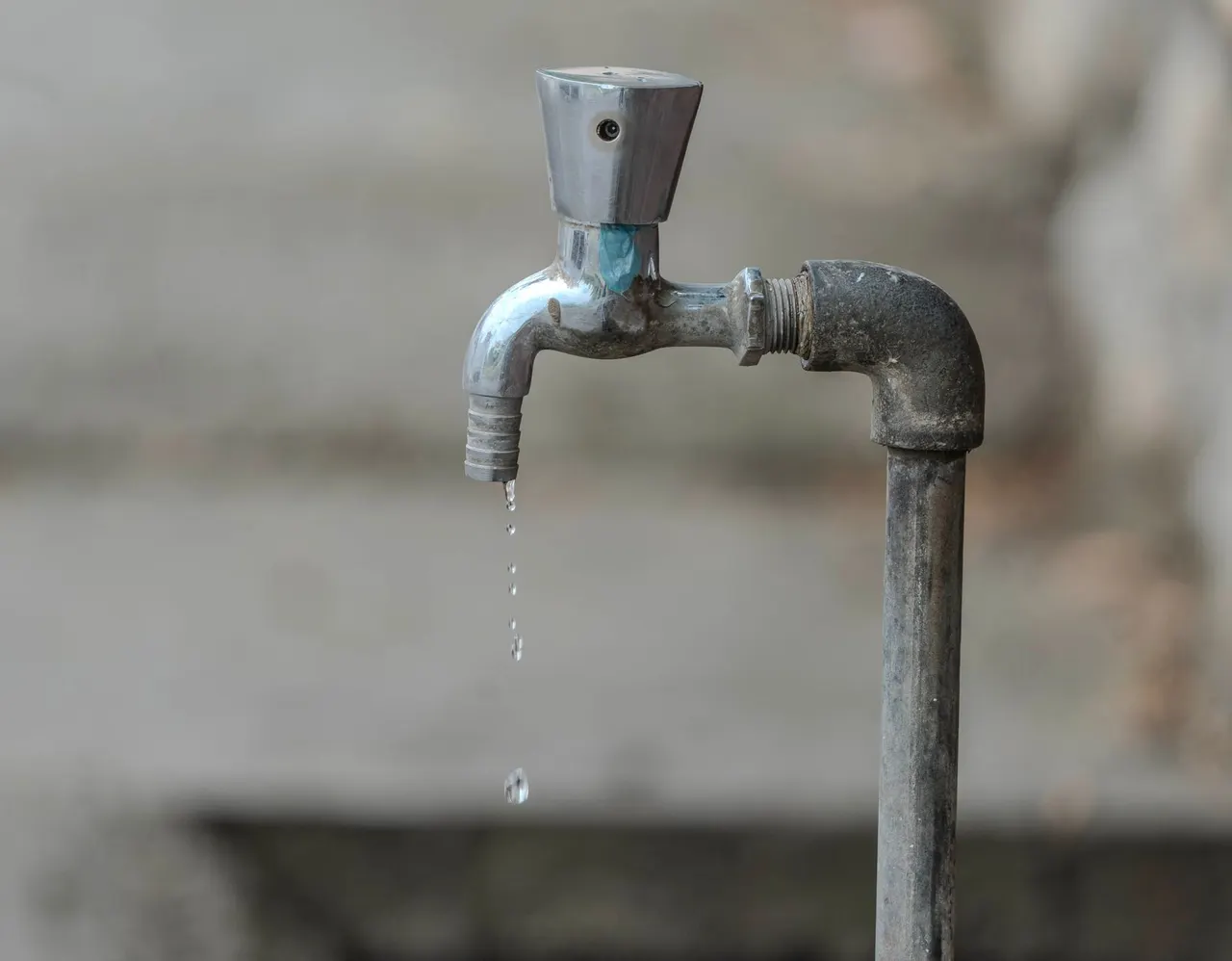
Every job follows the same five steps, whether it is a spa losing an inch a day or a commercial pool with a mystery leak. You will know what we are doing and why at each stage.
We ask how much water you are losing, when you notice it, and whether the pump loses prime. That tells us whether to bring the acoustic gear or start with the shell. Most calls take 10 minutes, and we schedule a same-day or next-day visit.
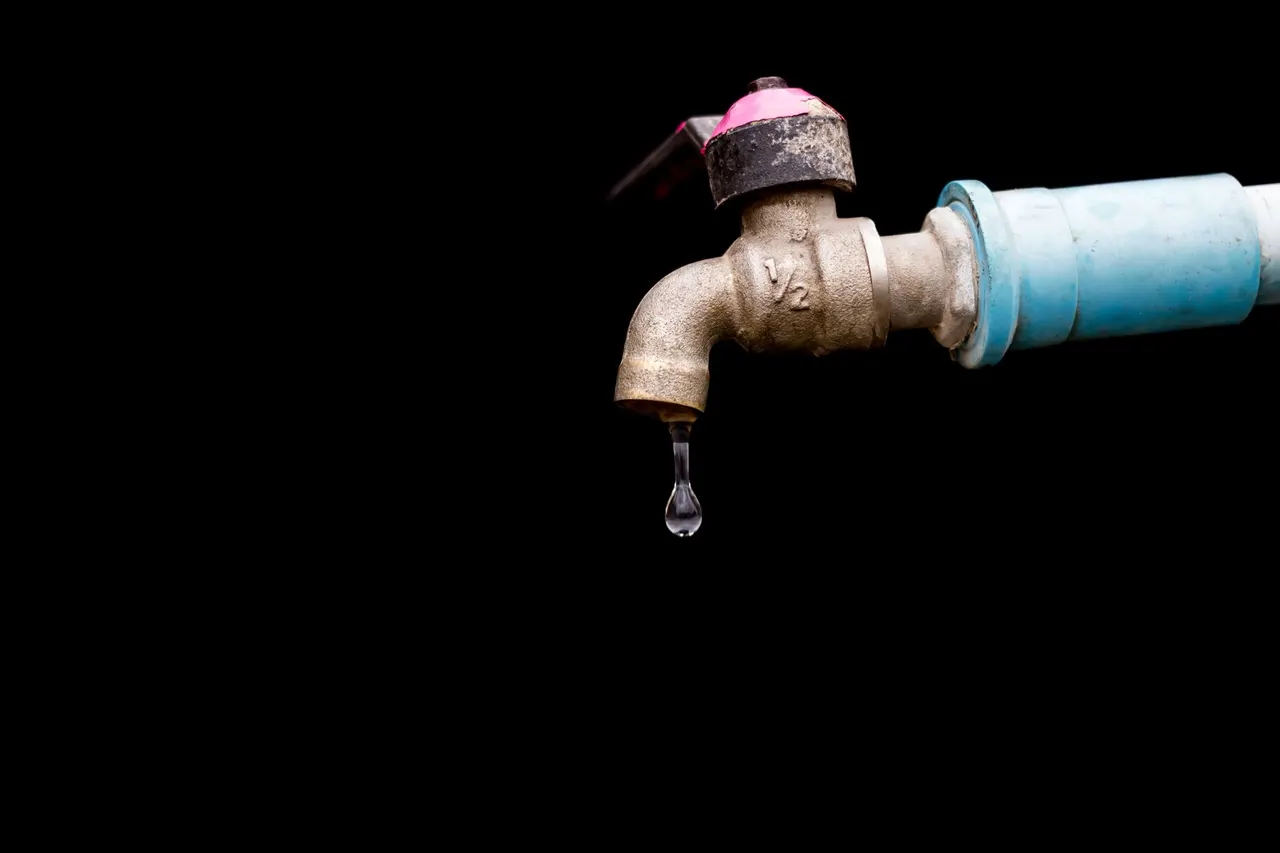
We walk the pool, spa, deck, and equipment pad with you. We check the waterline tile, skimmer throat, light niche, and return fittings for dye movement, then mark anything suspicious. This first pass takes 30 to 45 minutes.
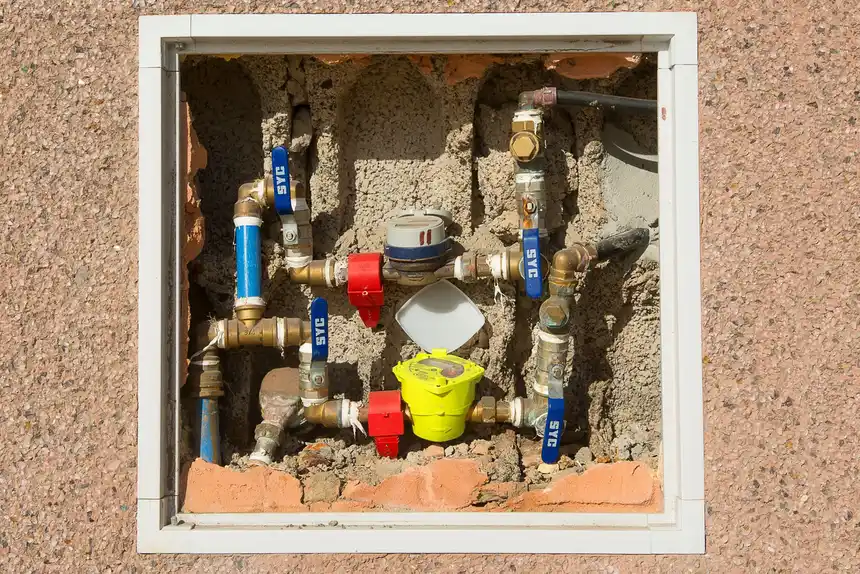
We isolate the suction and return lines, plug them, and pressurize each one with a pressure testing kit. A drop tells us which line is leaking. Then we use acoustic leak detection equipment and a pipe locator to pinpoint the break within a foot or two.
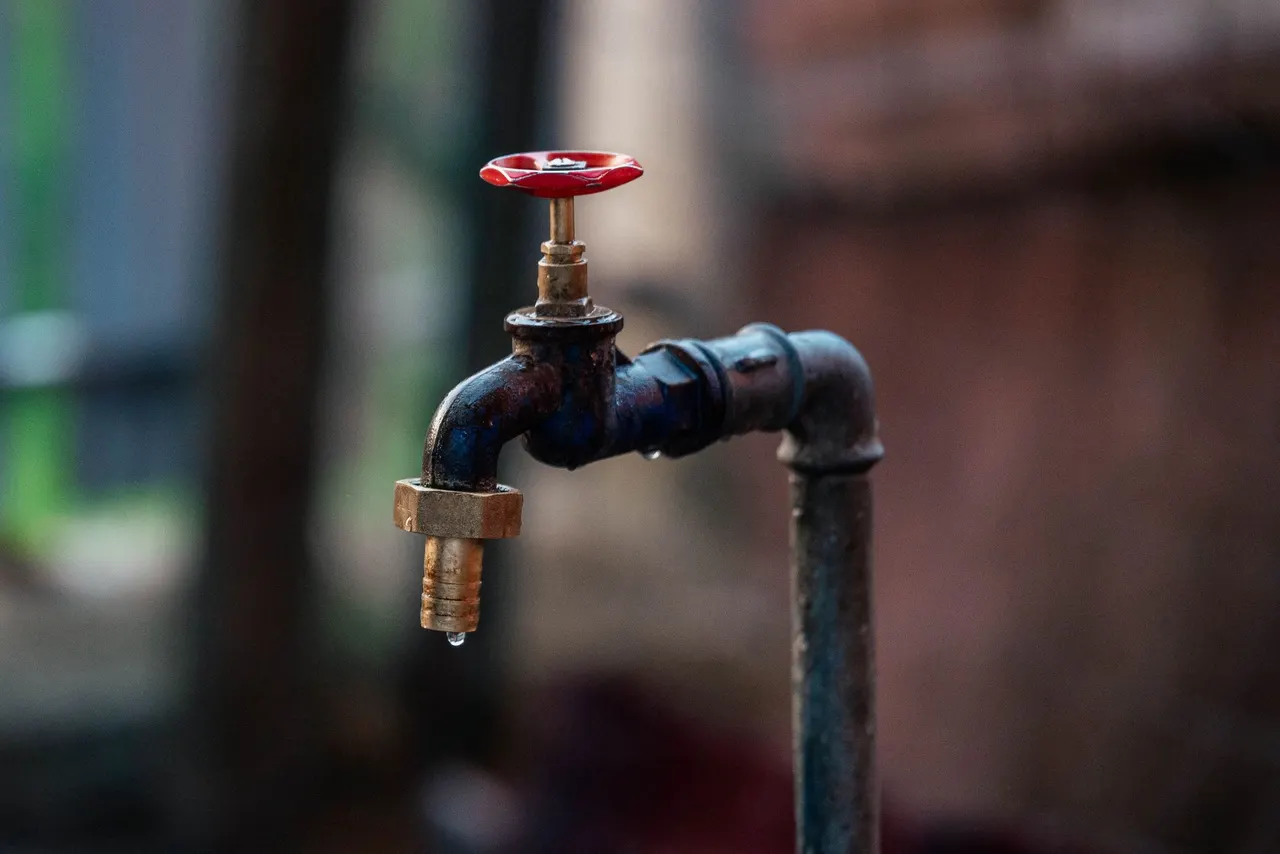
We confirm the leak with a thermal imaging camera and a moisture meter, then photograph the readings. You get a written summary with the location, the likely cause, and the repair options. No repair starts until you approve the plan.
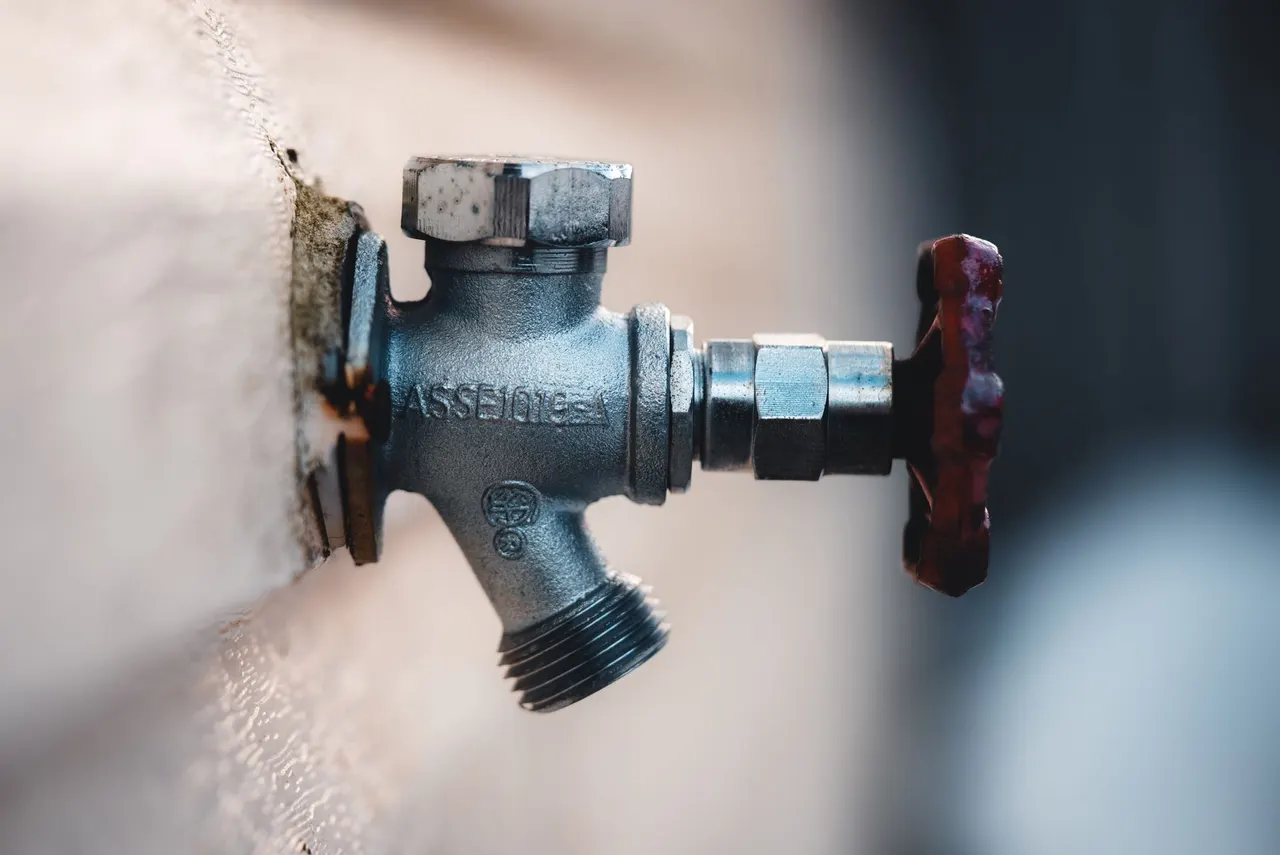
We fix the leak, whether that is a shell crack sealed with epoxy resin, a new O-ring seal at the pump, or a section of PVC pipe replaced under the deck. Then we retest the line and refill the pool to confirm the loss has stopped before we leave.
Move across a circle, or focus it and press Enter, for an illustrative thermal view of the photograph.
We listen to the sound of water escaping a pipe to pinpoint the leak location within a foot or two. This works on underground lines without digging.
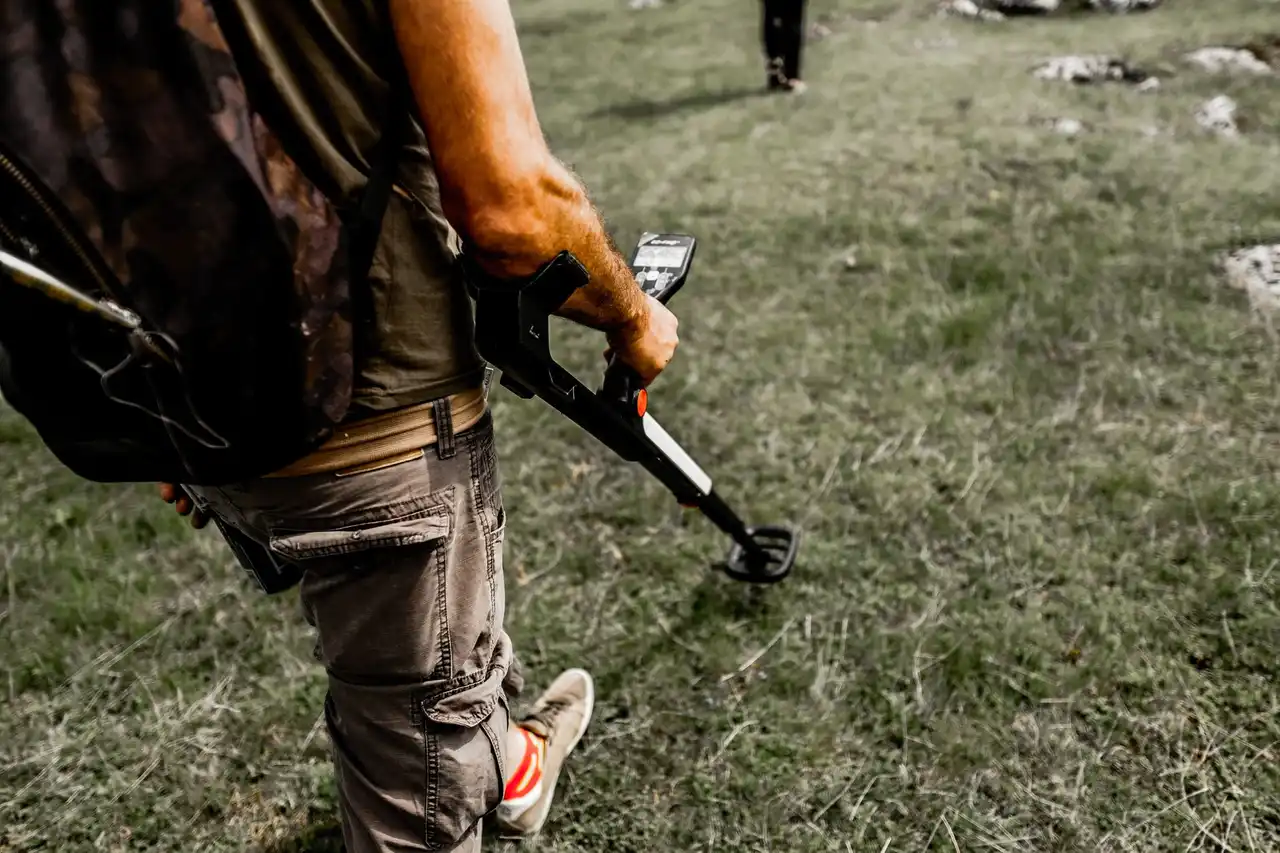
We use a Fluke thermal camera to see temperature differences in the deck and soil. A leaking line shows up as a warm or cool spot, which helps us map the leak path.
We plug and pressurize each line to see which one loses pressure. This is the fastest way to separate a suction leak from a return leak or a shell leak.
For sewer line leaks near the pool, we run a SewerVUE camera through the pipe to see cracks, root intrusion, and blockages. It gives us a clear picture before we dig.

We use a pipe locator to trace underground lines and mark their path. This tells us where to dig and keeps the repair small.
Thermal views are illustrative, generated from the photographs.
We check the deck, soil, and equipment pad for elevated moisture. A moisture meter confirms the leak is active and helps us track the repair.
We use dye at the shell, fittings, and light niche. If dye gets pulled into a crack or fitting, we have found the leak.
We fill a bucket with pool water and set it on the steps, then mark the pool level. After 24 hours, if the pool dropped more than the bucket, you have a leak. This is the standard first step and it takes no equipment.
We plug all lines and pressurize them one at a time with a pressure testing kit. A line that will not hold pressure is the leaking line. We test every line to rule out multiple leaks.
We place a microphone on the deck or the pipe and listen for the sound of water escaping. We move the microphone until the sound is loudest, which marks the leak location. This works on PVC pipe and copper pipe.
We scan the deck and soil with a thermal imaging camera. Wet soil holds heat differently than dry soil, so the leak shows up as a temperature difference. We mark the area and confirm with pressure testing.
You are topping off the pool every two or three days and the water bill is climbing.
We start with a bucket test to confirm it is a leak and not evaporation, then pressure-test the lines. If the shell is the problem, we dye-test the fittings and cracks. You get a location and a repair plan the same visit.
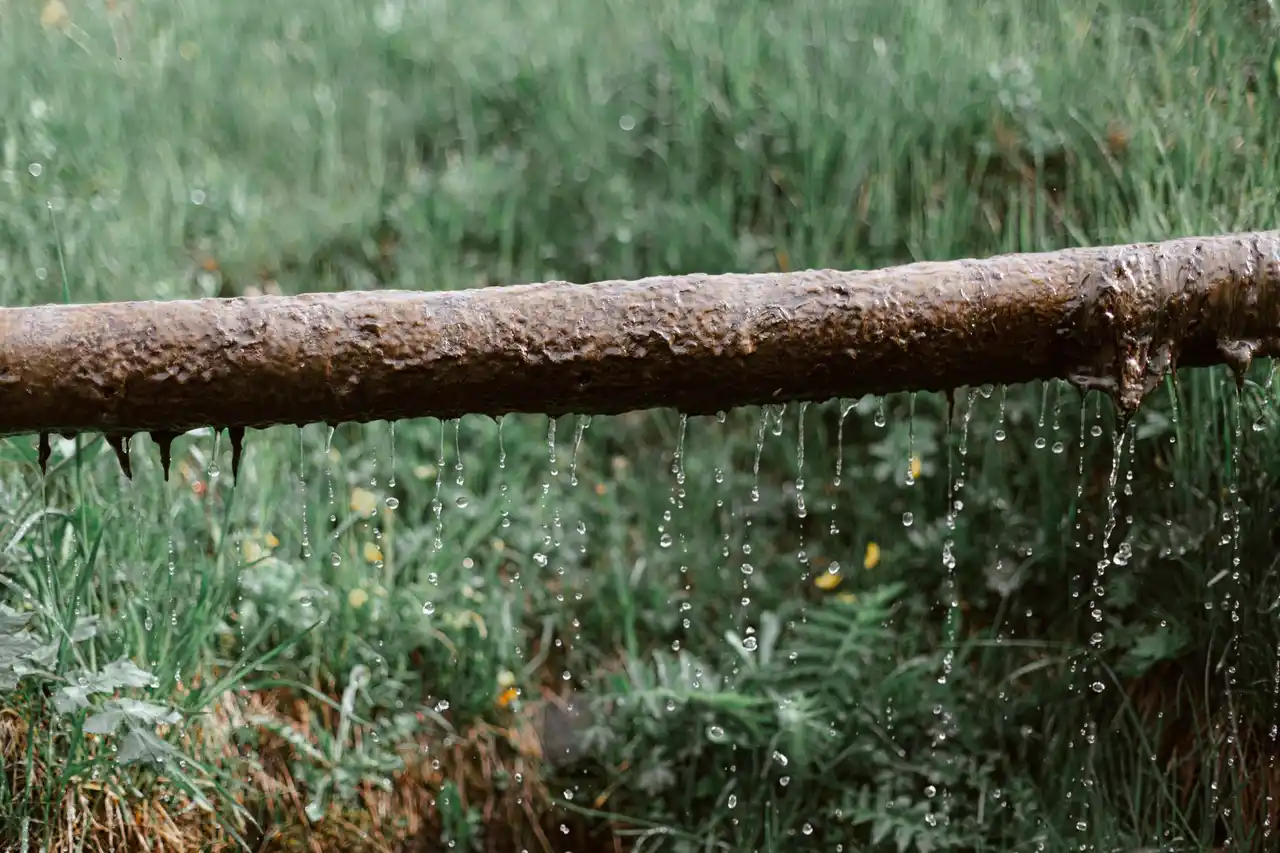
Your pump keeps losing prime and you hear air in the system.
We test the suction line and all connections from the skimmer to the pump. A pipe locator and acoustic gear let us find the break without digging up the whole yard. We repair the section and retest the line.
Outcome: The pump holds prime, circulation returns to normal, and the pool clears up within a few days.
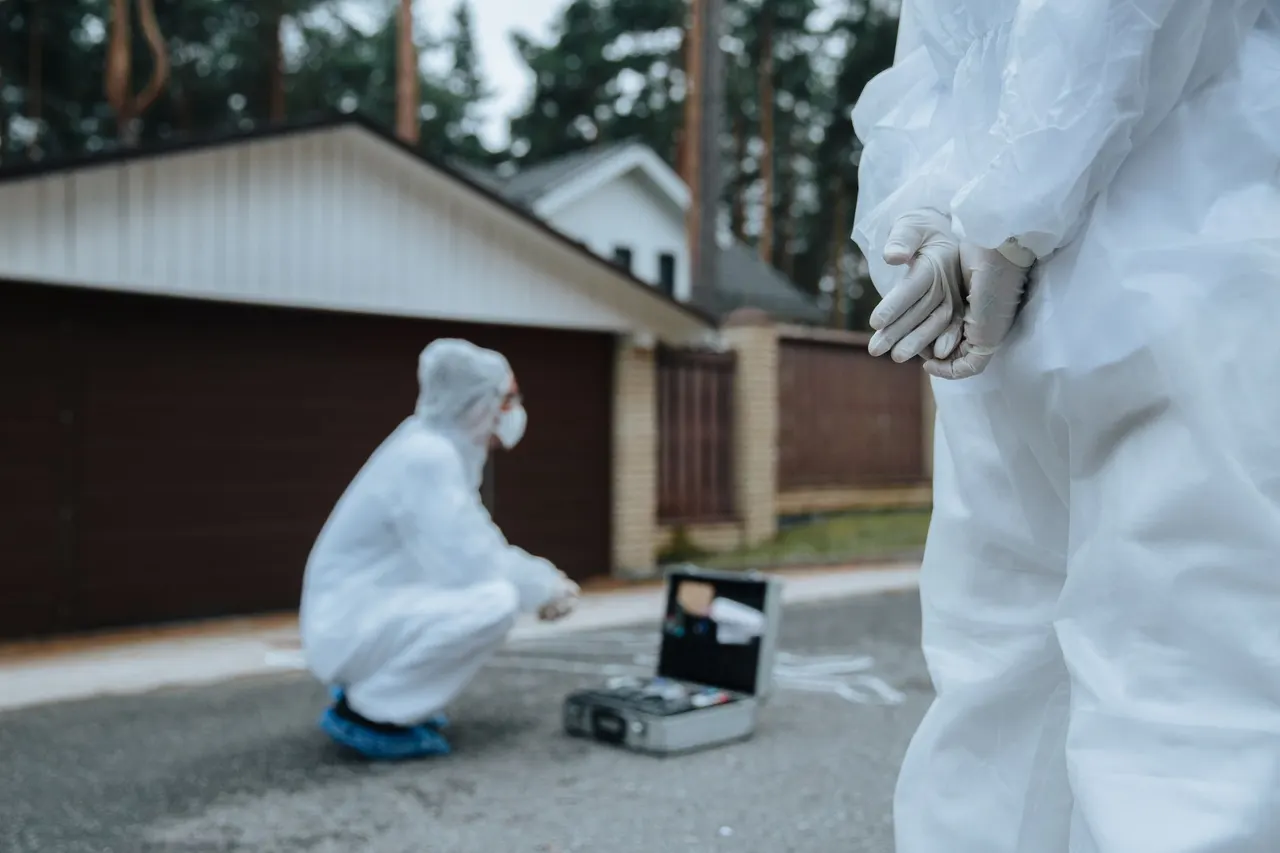
You noticed a wet spot on the deck or a soft spot in the yard near the pool.
We use a moisture meter and thermal imaging camera to map the wet area, then pressure-test the lines running under it. If the leak is in a return line, we locate it and replace the damaged section of PVC pipe.
Outcome: The wet spot dries out, the soil stabilizes, and you avoid a deck collapse or a sinkhole under the pool.
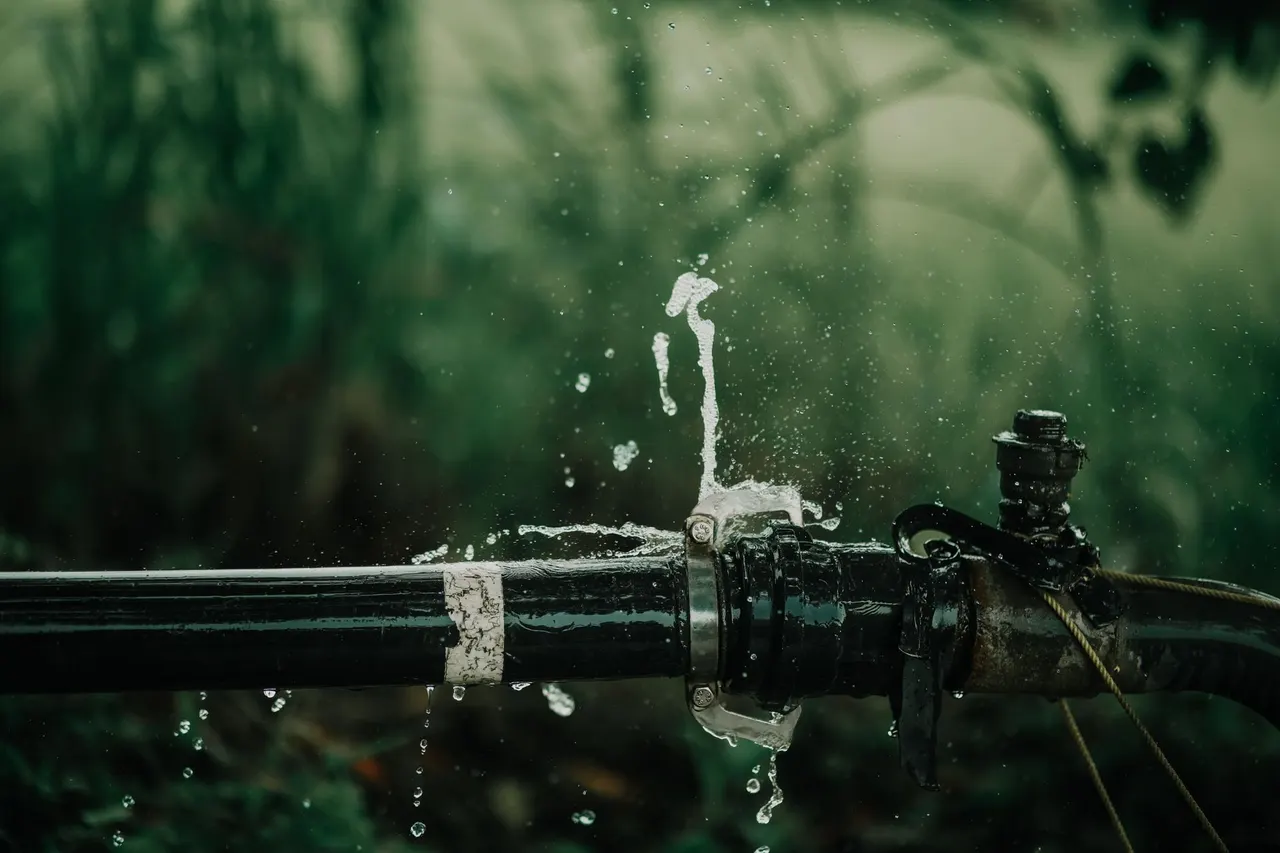
You are buying a home with a pool and the inspection report notes water loss.
We perform a full diagnostic and give you a written report with photos and a repair quote. You can use it to negotiate with the seller or to plan the repair after closing. We test every line and the shell.
Outcome: You know exactly what you are buying and what it will cost to fix, so there are no surprises after closing.
Your commercial pool or HOA pool is losing water and you need it fixed fast.
We prioritize commercial calls and can often be on site the same day. We test multiple lines at once and document everything for your records. Repairs are scheduled around your operating hours to minimize downtime.
Outcome: The pool is back to normal water loss within days, and you have the documentation your HOA or insurer needs.
Bradenton pools deal with sandy soil, a high water table in the summer, and year-round use. That combination means underground lines shift, fittings loosen, and shell cracks open up faster than in colder climates. We see a lot of pinhole leaks in copper pipe near the heater, failed O-ring seals at the pump, and PVC pipe cracks under the deck.
Our techs know the local building stock, from older pools in Downtown Bradenton to newer builds near Riverwalk. We follow Florida code on every repair, including backflow prevention on potable lines. If you need pool leak detection and repair Bradenton Florida, we can pressure-test your lines, find the leak, and fix it without tearing up the whole yard.
We also handle emergency pool leak detection Bradenton calls when a pool is losing inches a day and the pump is at risk.
Before: A pool in the 34208 ZIP code was losing 2 inches of water a day. The homeowner was adding water every morning and the pump was losing prime. The pool store told them it was evaporation.
After: We pressure-tested the return line and found a crack in the PVC pipe under the deck. We replaced a 3-foot section, retested the line, and the pool held water.
Keep the pump basket clean and check the return fittings for leaks once a month.
Before: A spa in Riverwalk was losing an inch of water a day and the plaster was staining. The homeowner thought the whole spa needed to be drained and resurfaced, which would have cost thousands.
After: We dye-tested the shell and found a 6-inch crack near the light niche. We sealed it with epoxy resin made for underwater use, and the leak stopped the same day.
Check the water chemistry weekly and keep the calcium hardness in range. Proper chemistry keeps the plaster from cracking and extends the life of the repair.
Before: A commercial pool in Downtown Bradenton was losing water and the pump was running hot. The manager had two other companies out, and neither could find the leak. The pool was losing 3 inches a day.
After: We used acoustic leak detection equipment and a pipe locator to find a pinhole leak in the suction line 18 inches under the deck. We repaired the line and retested the system. The pool was back to normal water loss within 24 hours.
Schedule an annual pressure test on commercial pools. Catching a pinhole leak early prevents the pump from running dry and avoids emergency shutdowns.
Most pool leaks fall into a handful of categories, and we have seen them all in Manatee County. Here is what we find most often and what happens if you wait.
A confirmed leak location and a repair plan you can trust.
We measure the actual loss with a bucket test and a moisture meter, then pressure-test each line. You get a number and a location, not a theory. Most residential pools lose 1 to 2 inches a week to evaporation in summer, so anything past that gets tested the same day.
A slab leak or a cracked return line under the deck can wash out the soil and crack the shell. We locate it with acoustic leak detection equipment and a pipe locator before we open anything, so the repair stays small and the deck stays intact.
When a pool loses water, the pump can run dry and burn the motor, and a heater can scale up fast. We check the pump, filter, and heater connections while we are on site.
We quote the repair before we start, and we tell you what can wait. You decide with real numbers in front of you.
What a written scope covers and what shapes it. Prices are set by the business after the first look.
Included
Depends on
Clear records you can keep and share.
Images of readings and marked location
Pressure readings for each line
Firm price for the fix
Confirmation the leak stopped
Most pool leaks are either in the shell or in the plumbing. The repair is different for each, so we test both.
A crack or gap in the pool surface
A break in a suction or return line
A failed seal at a fitting or valve
A list like this tells people straight away whether you cover their street. Not listed? Call and ask: it only takes a minute.
Based in bradenton and covering the places around it. Pick one for local details.
The price depends on how many lines we test and whether we need to open the deck.
If your pool loses more than a quarter inch of water a day with the pump off, or you are adding water more than once a week, you likely have a leak. Other signs include a wet spot near the equipment pad, air in the pump basket, and unexplained algae in one spot. A bucket test takes 24 hours and confirms it.
Yes, most pool leaks we find in Bradenton can be fixed without draining the pool. Shell cracks get sealed underwater with epoxy resin, and fitting leaks get new O-ring seals or a patch. Only a major shell repair or a full line replacement under the deck requires draining, and we tell you upfront if that is the case.
We cover all of Bradenton and Manatee County, including Downtown Bradenton, Riverwalk, and the 34205, 34208, 34209, and 34281 ZIP codes. If you are within 20 miles of downtown, we can be there. Call and we will confirm the visit window and what to have ready.
Other services from the same team.
Call now and we will schedule a same-day or next-day visit, find the leak, and give you a written repair plan before we start.
Call us at 123-456-789 or email info@leakdetectionbradenton.com. Our office is located at 2100 Manatee Ave W, Bradenton, FL 34205. Whether you have a slab leak, pool leak, or sewer line issue, we are here to help.