For homes
We find hidden leaks in houses, condos, and townhomes without tearing up your floors. You get a written report with photos and a marked leak location.
- Slab leaks under floors
- Pinhole leaks in walls
- Irrigation line breaks
Water Leak Detection in bradenton from Leak Detection Bradenton locates hidden leaks without tearing your home apart. We use acoustic listening gear, thermal imaging cameras, and pressure testing kits to find slab leaks, pinhole leaks, and irrigation line breaks across Manatee County. If your water bill spiked or your floor feels warm, call us. We find it, fix it, and test the line before we leave.
 Pressure testAcoustic scanThermal imaging
Every leak detection visit includes a full system assessment, acoustic and thermal scanning, and a written report. We don't charge extra for the report or the photos. Here's what you get when you book with us.
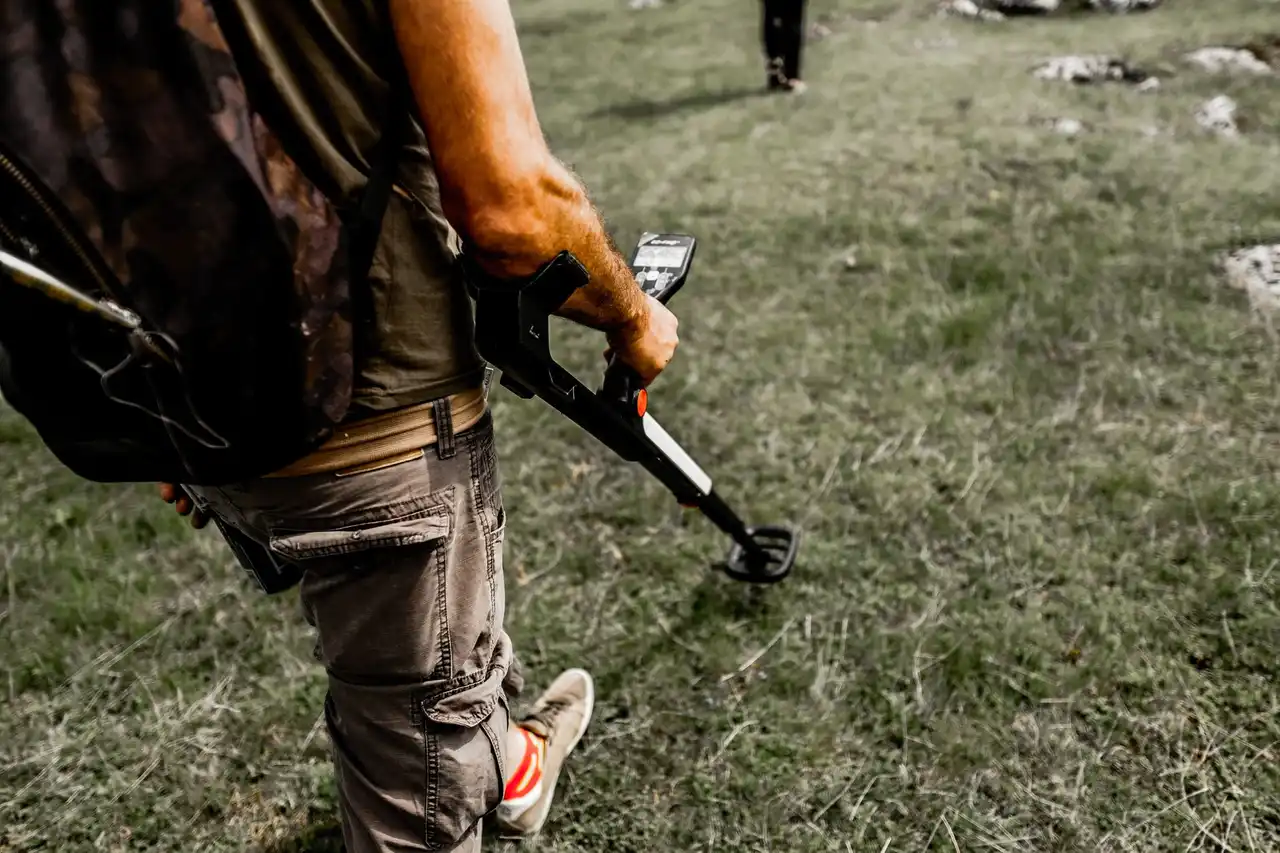
We pressurize your entire plumbing system to 80 psi and monitor the gauge for 15 to 20 minutes. A dropping gauge confirms an active leak. A holding gauge tells us the problem is in the irrigation system, pool, or sewer line. This test is included in every visit.
We walk your property with an ultrasonic leak detector and a thermal imaging camera. The acoustic gear hears water escaping under pressure; the thermal camera shows temperature differences from hot water lines or evaporating moisture. We scan every room, closet, and exterior wall.
A moisture meter tells us how far water has traveled from the leak source. We map the affected area and mark the boundaries with tape. That map tells your plumber or restoration company exactly where to focus, so they don't waste time drying areas that aren't wet.
We use a pipe locator to trace the path of the leaking line and mark it on the floor or ground. You'll know exactly where the pipe runs and where the leak sits along that path. This step prevents accidental damage during repair.
Before we leave, you get a written report with moisture readings, thermal images, and a diagram showing the leak location. We email a PDF copy and leave a printed version. Your insurance company or plumber can work directly from our documentation.
The approach is the same for a home and a business. What changes is the access, the schedule and who needs the paperwork.
We find hidden leaks in houses, condos, and townhomes without tearing up your floors. You get a written report with photos and a marked leak location.
We locate leaks in commercial buildings, restaurants, and retail spaces with minimal disruption. You get documentation your insurance company can use.
A plain-language look at what Water Leak Detection involves and when it is needed.
See how it worksWater Leak Detection in bradenton is the process of finding hidden water leaks using acoustic listening equipment, thermal imaging cameras, pressure testing kits, and moisture meters. We pressurize your plumbing system, listen for the telltale hiss of escaping water, and scan walls and floors for temperature anomalies. A pipe locator and sewer camera help us trace underground lines without digging. Most residential jobs take two to four hours from arrival to written findings.
Bradenton's sandy soil, high water table, and older copper pipe systems create ideal conditions for slab leaks and pinhole leaks. Summer irrigation cycles push PVC and PEX tubing to its limits, and afternoon thunderstorms saturate the ground until leaks surface in unexpected places. We've served Manatee County since 2015 and know exactly where these systems fail.
We find the leak, mark the spot, and document everything before we leave.
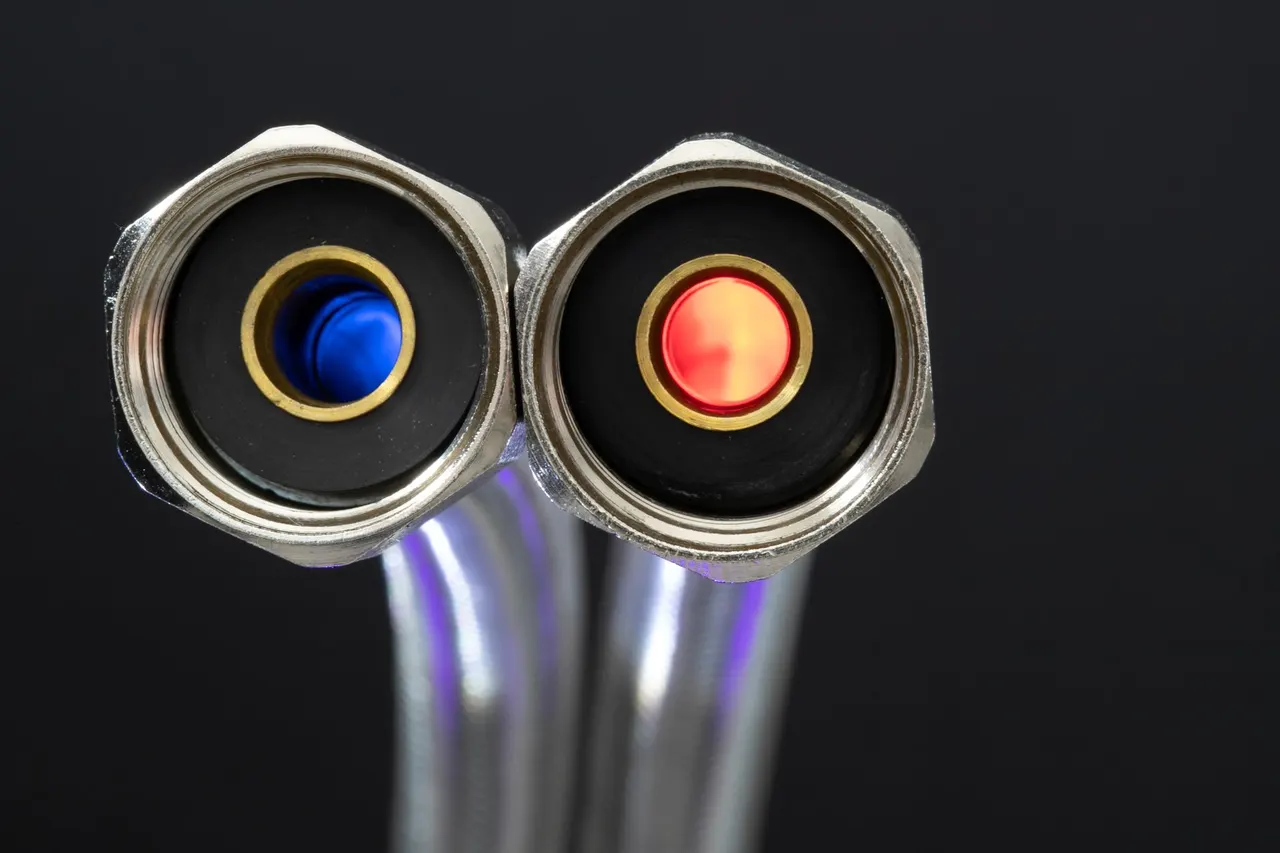
Every job follows the same five steps. You'll know what we're doing, how long it takes, and what you'll receive before we pack up.
When you call, we ask three questions: where have you seen water, what does your water bill look like, and is the leak active right now? That five-minute conversation tells us which tools to load and whether you need emergency water leak detection Bradenton. We schedule a two-hour arrival window and text you when we're on the way.
We shut off all fixtures and pressurize your plumbing system to 80 psi using a pressure testing kit. If the gauge drops, we know there's a leak. If it holds, the problem is likely in the irrigation system, pool, or sewer line. This step takes 15 to 20 minutes and tells us exactly where to focus.
We walk the property with an ultrasonic leak detector and a thermal imaging camera. The acoustic gear picks up the sound of water escaping under pressure; the thermal camera shows temperature differences caused by hot water lines or evaporating moisture. We mark each hit with tape and photograph it for your records.
Once we have a candidate location, we confirm it with a moisture meter and trace the pipe path using a pipe locator. For sewer line leaks, we run a SewerVUE camera through the line to see the break directly. You'll watch the monitor with us and see exactly what we see.
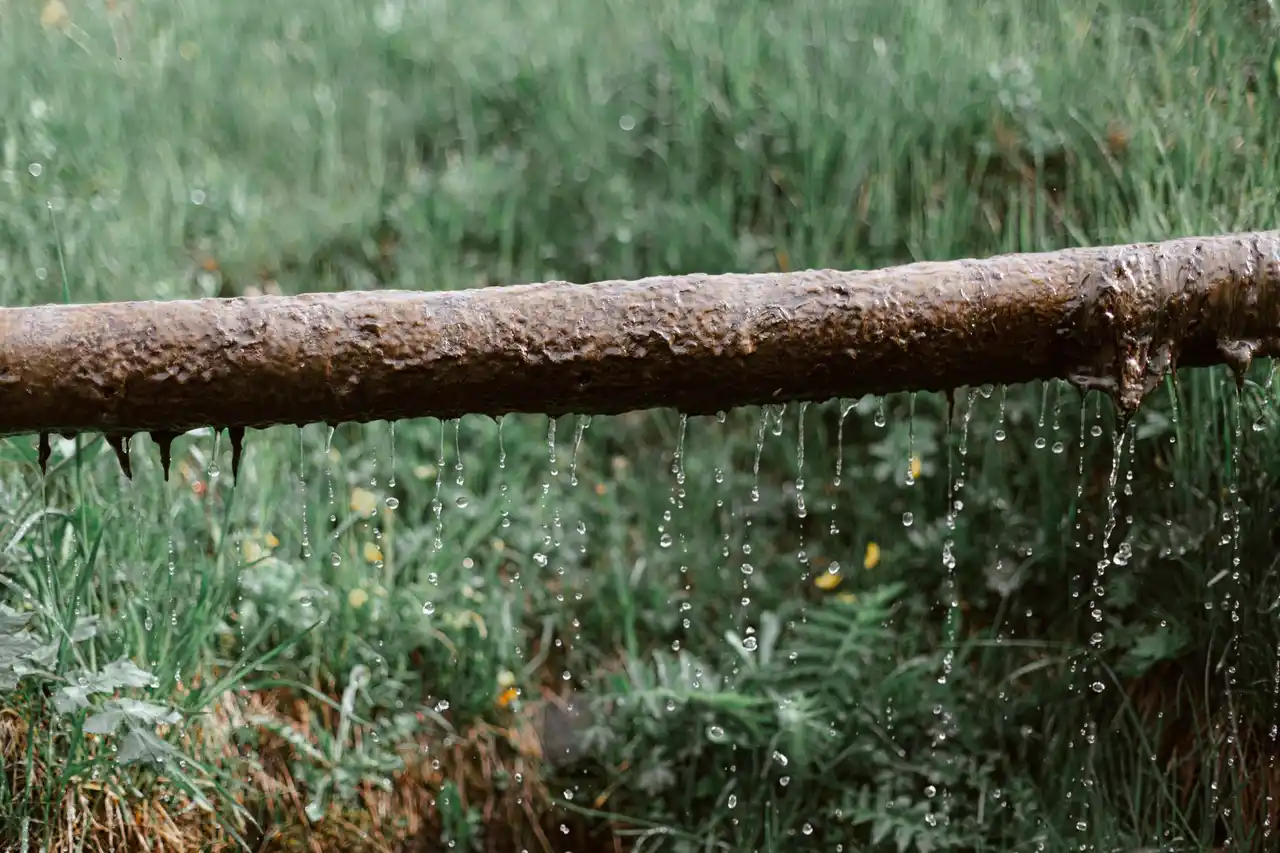
Before we leave, we hand you a written report with photos, moisture readings, and a marked-up diagram of the leak location. We explain what we found in plain language and tell you what kind of repair is needed. If you want us to coordinate with your plumber, we make the call from your driveway.
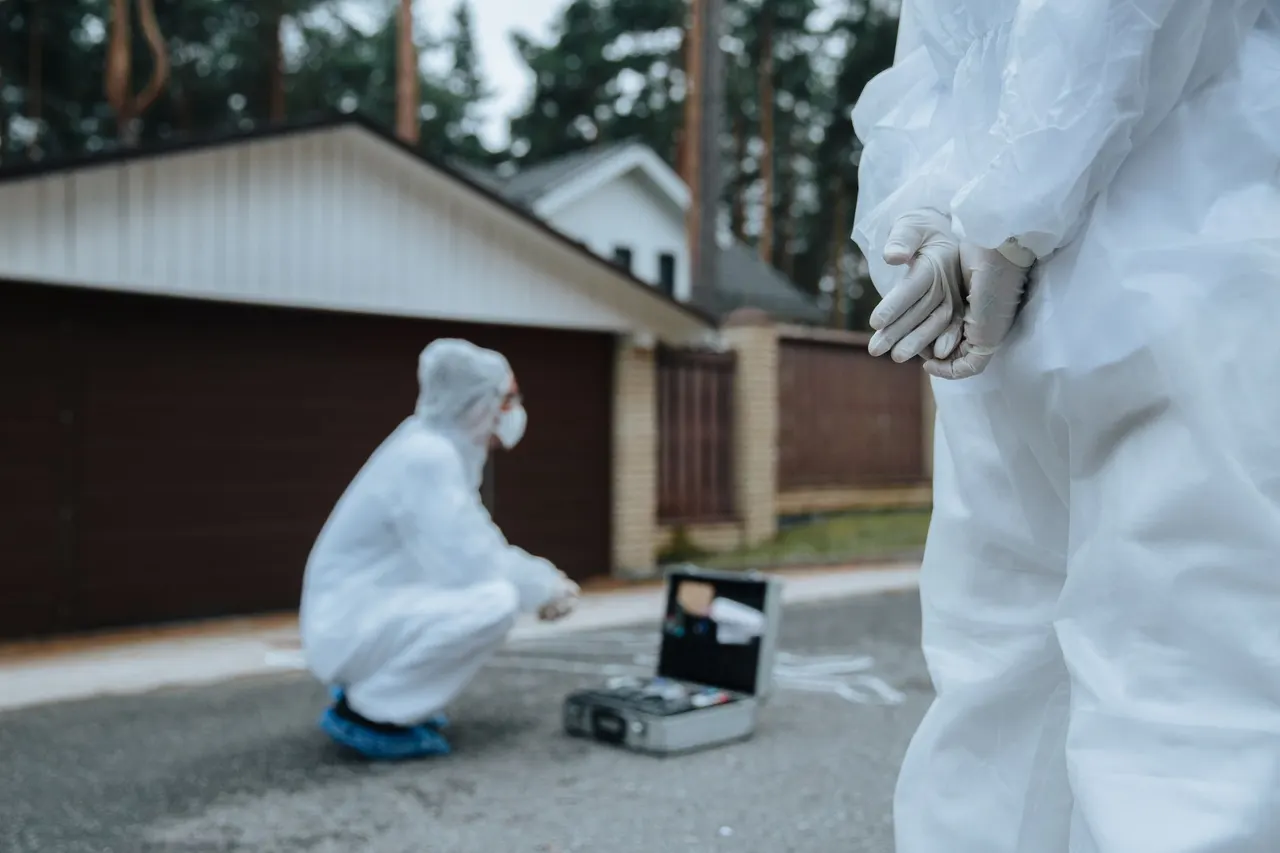
Move across a circle, or focus it and press Enter, for an illustrative thermal view of the photograph.
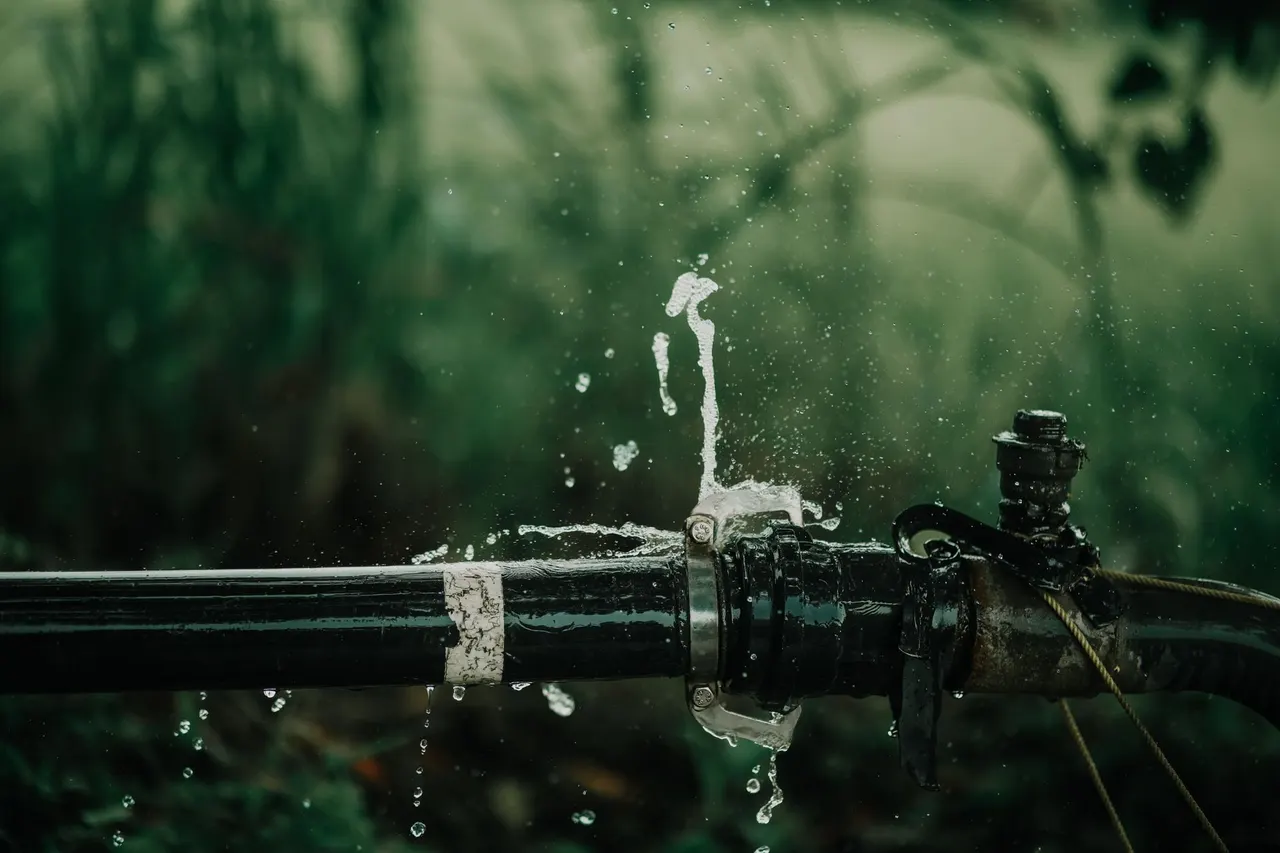
Listens for the sound of water escaping under pressure. Works through concrete, tile, and drywall. We use RIDGID and Fluke models calibrated for residential and commercial systems.
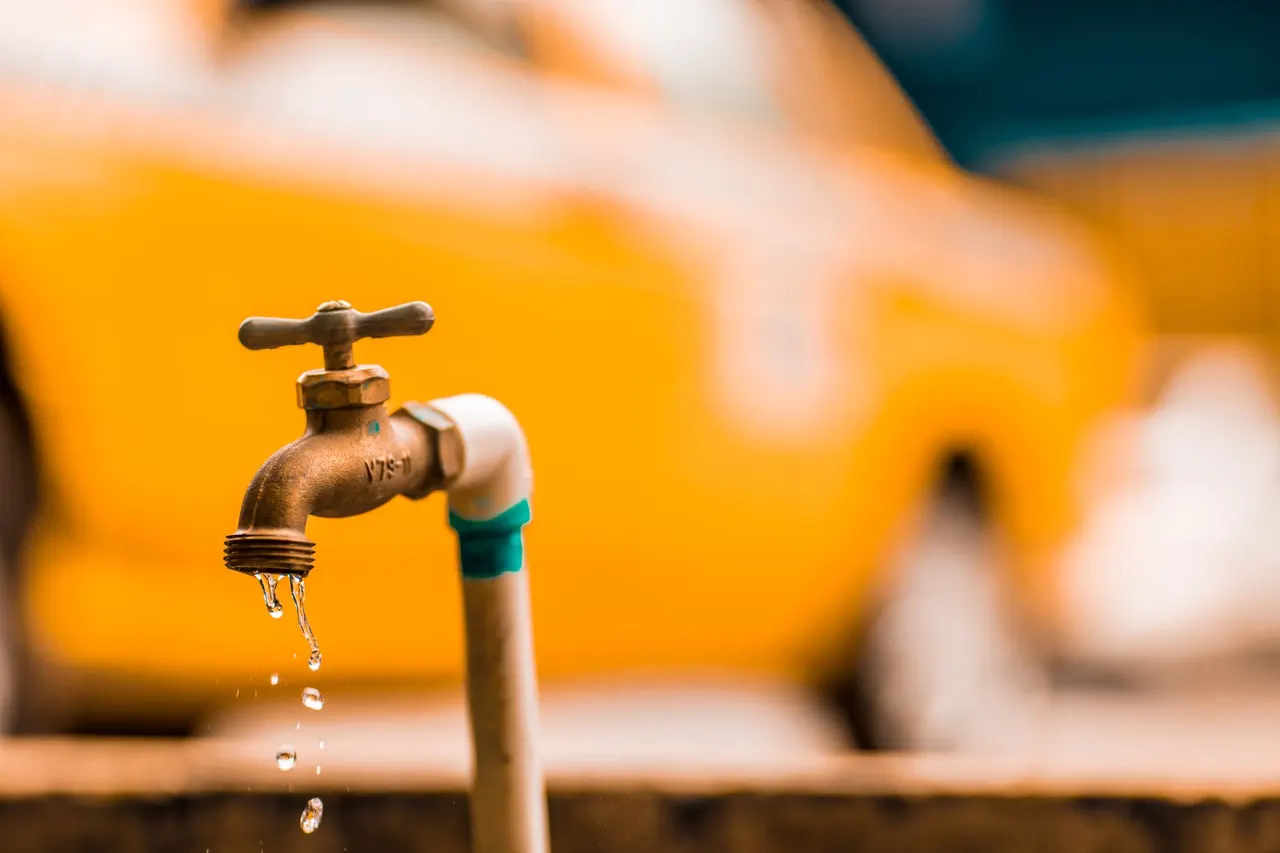
Shows temperature differences caused by hot water lines or evaporating moisture. We use Fluke cameras that detect temperature changes as small as 0.1 degrees Fahrenheit.
Pressurizes your plumbing system to 80 psi and monitors the gauge for 15 to 20 minutes. A dropping gauge confirms an active leak.
We run a SewerVUE camera through sewer lines to find cracks, root intrusion, and joint failures. You watch the monitor with us and see exactly what we see.
Traces the path of underground pipes without digging. We use SubSurface Instruments equipment to mark the line on the ground.
Thermal views are illustrative, generated from the photographs.
Measures how far water has traveled from the leak source. We use General Pipe Cleaners meters to map the affected area.
Injects a harmless gas into the line and detects where it escapes. Ideal for finding small leaks in underground lines or behind walls.
We shut off all fixtures and pressurize the plumbing system to 80 psi. If the gauge drops, there's a leak. If it holds, the problem is in the irrigation system, pool, or sewer line. This method tells us exactly where to focus.
Water escaping under pressure makes a distinct sound. We use ultrasonic leak detectors to listen at fixtures, walls, and floors. The loudest signal is closest to the leak. We confirm each hit with a moisture meter.
Hot water lines and evaporating moisture create temperature differences on surfaces. A thermal imaging camera shows those differences as color variations. We use this method to trace hot water lines and find slab leaks.
We inject a harmless gas into the suspect line and use a detector to find where it escapes. This method works for small leaks in underground lines or behind walls where acoustic and thermal tools can't reach.
You got a water bill that's double last month's, but you can't find any visible leak.
We pressurize your system and scan with acoustic and thermal tools. Most hidden leaks are found in under two hours. We mark the spot and give you a written report with photos.
Outcome: You know exactly where the leak is and can get it fixed before the next billing cycle.
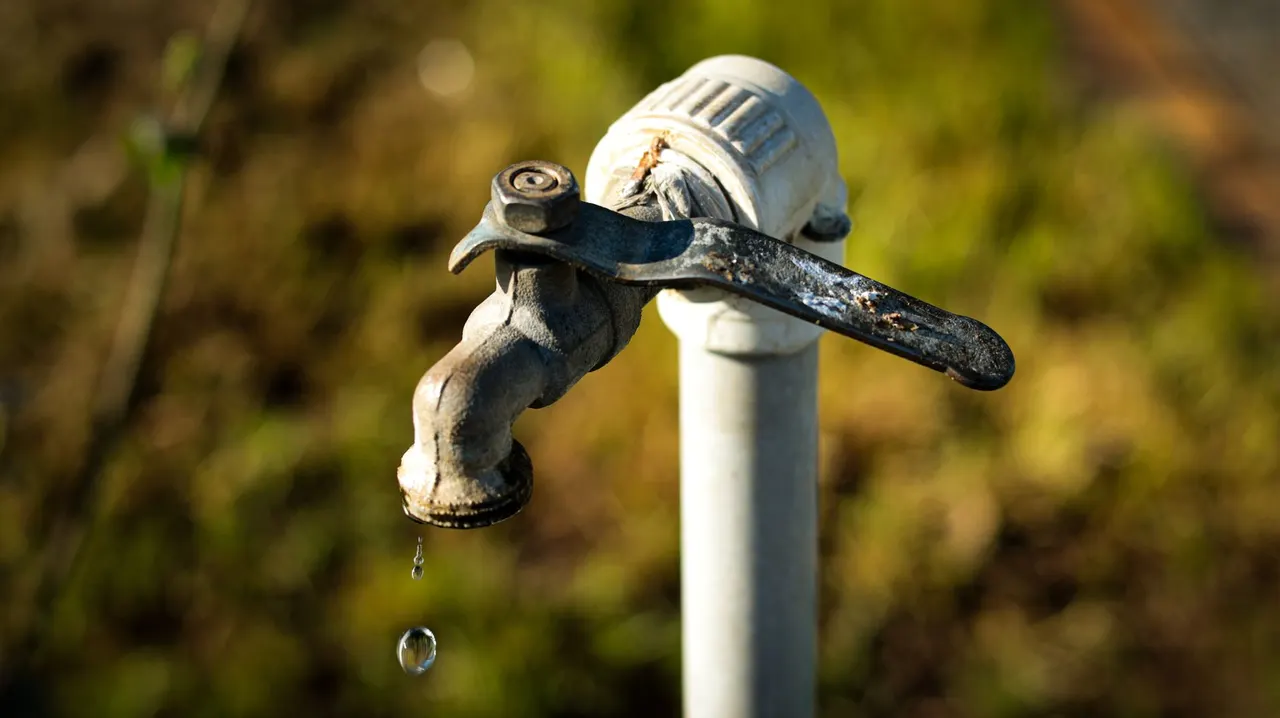
You noticed a warm spot on the floor or a crack in your tile that wasn't there last year.
We use a thermal imaging camera to trace the hot water line under your slab and confirm the leak with a moisture meter. We mark the location with less than 12 inches of accuracy.
Outcome: Your plumber makes one small access hole instead of tearing out the entire floor.
Your pool is losing more than two inches of water per week, even when it's not hot outside.
We pressure test the pool plumbing, inspect the shell with a sewer camera, and use leak detection dye to find cracks or failed fittings. We tell you whether it's a plumbing repair or a shell patch.
Outcome: You stop wasting water and avoid deck or shell damage that could cost thousands.
You smell sewage in the yard or notice a soggy patch that never dries out.
We run a SewerVUE camera through the line to find cracks, root intrusion, or joint failures. We mark the leak location and tell you what kind of repair is needed.
Outcome: You fix the line before it collapses and avoid a sewage backup into your home.
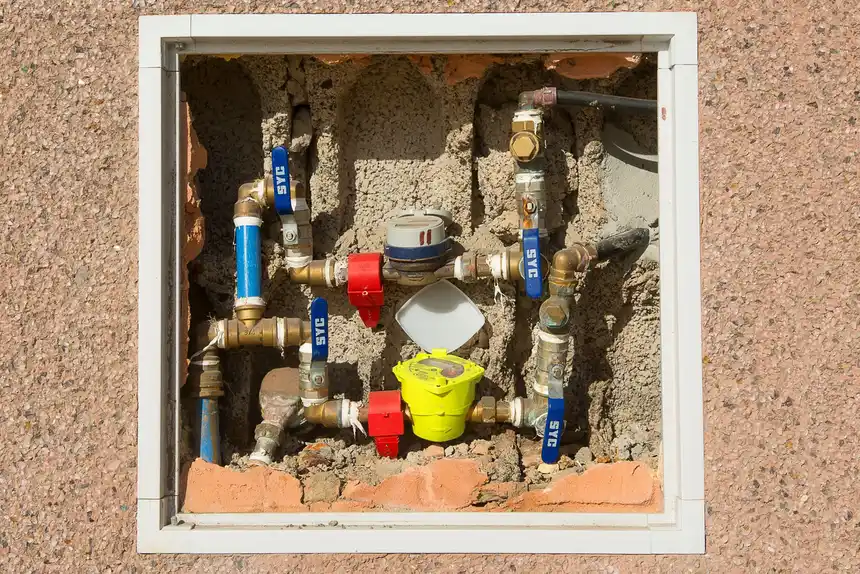
You're buying a home in Bradenton and want to know if there are hidden leaks before you close.
We perform a full leak detection inspection with pressure testing, acoustic scanning, and moisture mapping. You get a written report with photos that you can use in negotiations.
Outcome: You know exactly what you're buying and can ask the seller to fix any issues before closing.
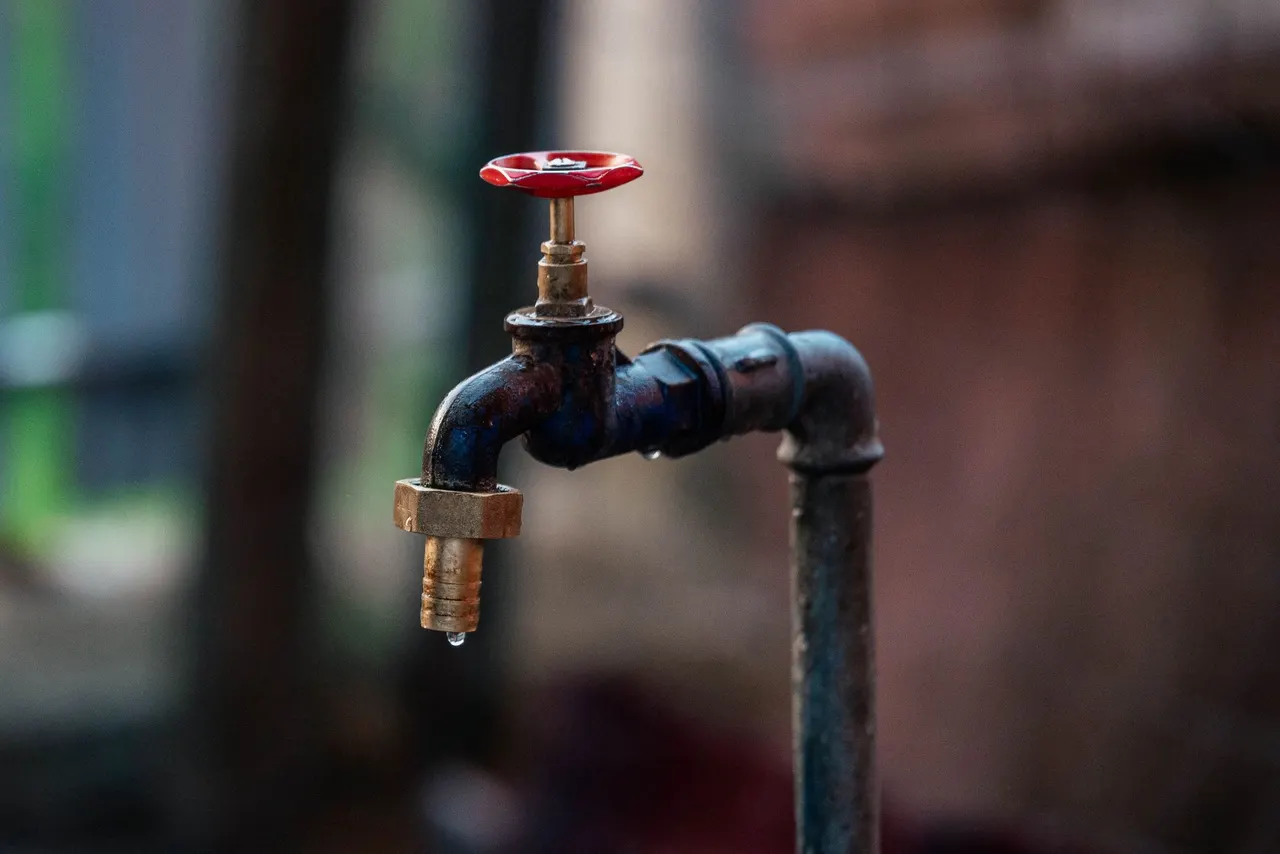
Bradenton sits on sandy soil with a high water table, which means underground leaks surface differently than they do in other parts of Florida. Copper pipe installed in the 1970s and 1980s is now reaching the end of its service life, and we find pinhole leaks in those systems almost every week. Summer irrigation cycles run daily from March through October, stressing PVC and PEX tubing until joints fail.
Afternoon thunderstorms saturate the ground, and leaks that were hidden for months suddenly surface as soggy patches in the yard. If you need affordable water leak detection near me Bradenton FL, we know exactly where to look. We've been finding leaks in Manatee County since 2015 and have worked in every neighborhood from Downtown Bradenton to Riverwalk.
Before: They couldn't find any visible leak and were worried about foundation damage.
After: We pressurized the system, used a thermal imaging camera to trace the hot water line, and found a pinhole leak in the copper pipe under the slab. We marked the spot with less than 12 inches of accuracy. The plumber made one small access hole and fixed the leak in two hours. The water bill returned to normal the next month.
We recommended a pressure test every two years to catch new pinhole leaks early. Copper pipe in 1970s homes will continue to develop leaks as it ages.
Before: A Riverwalk homeowner was losing two inches of water per week from their pool. The pool company couldn't find the leak and suggested draining the pool to inspect the shell.
After: We pressure tested the pool plumbing and found a failed fitting on the return line. Leak detection dye confirmed the location. We marked the spot and the pool company repaired the fitting without draining the pool.
We recommended checking the pool water level weekly and calling us if it drops more than two inches in seven days.
Before: A property manager in ZIP 34209 noticed a soggy patch in the yard that never dried out. The irrigation system was losing pressure, but no one could find the break without trenching the entire yard.
After: We used a tracer gas leak detector and acoustic equipment to find the break in the irrigation line. We marked the spot within one foot. The plumber dug one hole and repaired the PVC pipe in 45 minutes.
We recommended checking the irrigation system for pressure drops every spring before the watering season starts.
These are the five most common leak scenarios we see in Bradenton homes and businesses. If any of these sound familiar, call us before the damage gets worse.
You get a marked leak location and a written report before we leave.
We pinpoint the source in one visit so you can shut it down before the next billing cycle. Most customers see their bill return to normal within 30 days of repair.
Acoustic leak detection equipment and thermal imaging cameras let us find leaks through tile, concrete, and drywall. We mark the exact spot with less than 12 inches of accuracy, so your plumber cuts one small access hole instead of tearing out an entire floor.
Mold can colonize a wet wall cavity in 48 to 72 hours. Our moisture meter readings show exactly how far water has traveled, so you know whether you need drying equipment or just a repair. We document everything with photos and a written report.
Foundation leaks and pool leaks are two of the most expensive problems we see in Bradenton. Underground plumbing leak detection catches them early, before shifting soil cracks your slab or a pool leak undermines the deck.
What a written scope covers and what shapes it. Prices are set by the business after the first look.
Included
Depends on
Clear records you can keep and share.
Photos, readings, and leak location diagram
Thermal images and moisture meter readings
Marked-up floor plan showing leak location
Digital copy sent before we leave
Hidden leaks waste water and damage your home before you see a drop. Visible leaks are easier to find but often signal a bigger problem.
Leaks behind walls, under slabs, or underground
Leaks you can see or feel
Multiple leaks from aging pipe
A list like this tells people straight away whether you cover their street. Not listed? Call and ask: it only takes a minute.
Based in bradenton and covering the places around it. Pick one for local details.
A simple pressure test and acoustic scan on a single-family home typically lands at the lower end. Pool leaks, sewer line leaks, and underground plumbing leaks that require camera work or tracer gas push toward the higher end. We quote a flat rate before we start, so you know the number before we put a tool on your property.
Bradenton's sandy soil shifts with every wet season, stressing copper pipe and PVC joints until they crack. High water tables corrode underground lines from the outside in. Irrigation systems run daily from March through October, and the constant pressure cycles wear out O-ring seals and pipe sealant. Older homes in Downtown Bradenton often have original copper pipe that has developed pinhole leaks after 40 or 11 years of service.
Yes. We use acoustic leak detection equipment and thermal imaging cameras to find leaks through tile, drywall, and concrete. Our pipe locator traces lines behind walls without opening them. In most cases, we mark the exact leak location with less than 12 inches of accuracy, so your plumber makes one small access hole instead of tearing out an entire wall. We only recommend opening a wall when the repair itself requires it.
Watch for a water bill that jumps 20 percent or more without a change in usage. Listen for running water when all fixtures are off. Check your water meter before bed and again in the morning; if the dial moved, you have a leak. Warm spots on the floor point to a slab leak. Musty smells or bubbling paint suggest a leak behind a wall. If you notice any of these signs, call us for water leak detection and repair Bradenton Florida.
Other services from the same team.
We answer the phone, show up on time, and find the leak. Same-day service across Manatee County. Call now and we'll schedule a two-hour arrival window.
Call us at 123-456-789 or email info@leakdetectionbradenton.com. Our office is located at 2100 Manatee Ave W, Bradenton, FL 34205. Whether you have a slab leak, pool leak, or sewer line issue, we are here to help.